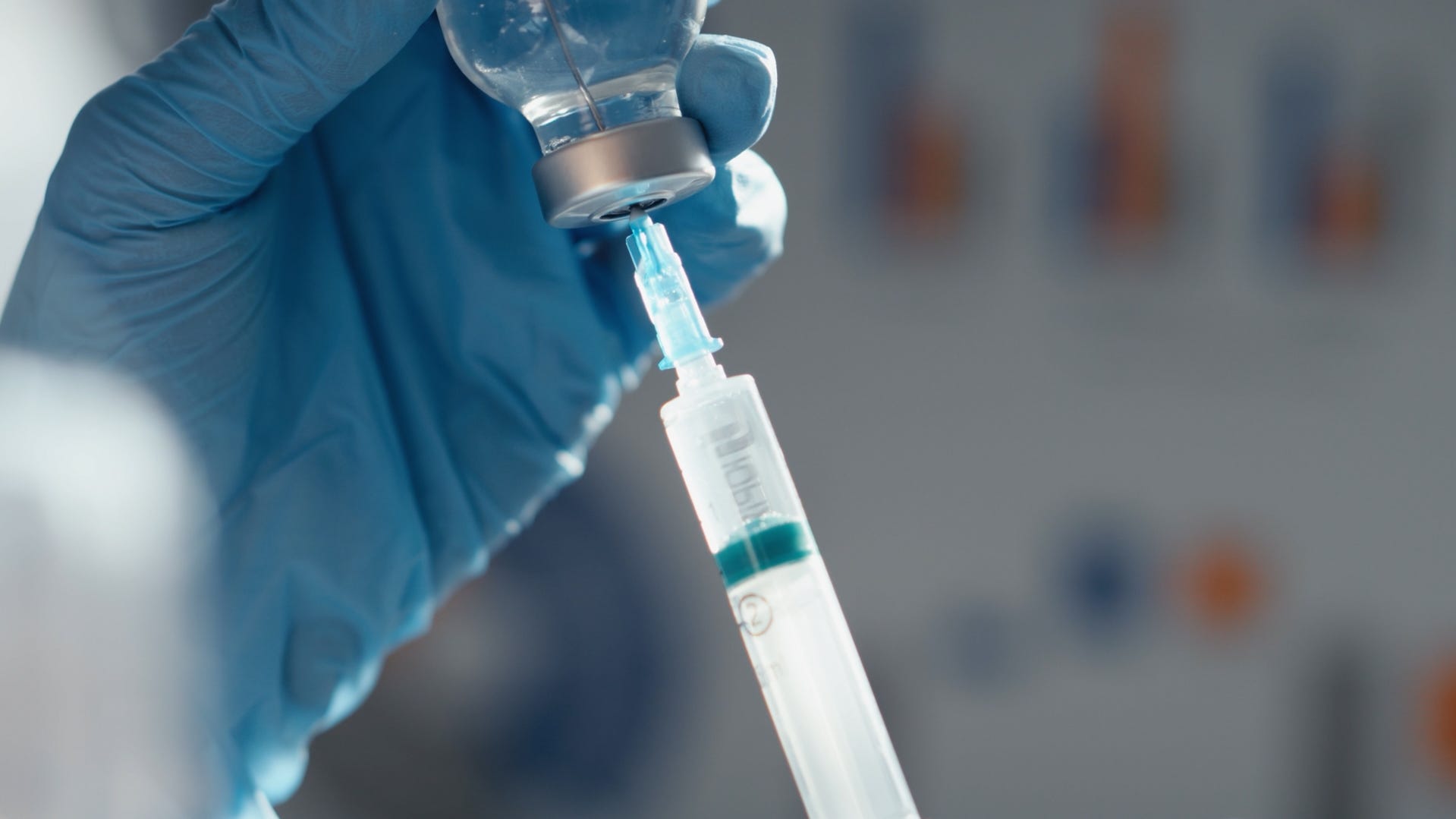

New Coronavirus Booster Immunization Guidelines Set by FDA for Healthy Adults Under 65
The FDA plans to require a new clinical trial before approving the annual COVID-19 booster shot for healthy Americans under 65.
The U.S. Food and Drug Administration has approved Flow Neuroscience’s home brain stimulator to treat depression, making it an alternative to typical antidepressants that can cause side effects with long-term use, the company announced Thursday.
According to the Centers for Disease Control and Prevention, depression rates in the United States have skyrocketed by 60% over the past decade, affecting more than 20 million adults.
Flow’s FL-100 delivers a gentle electrical current to the parts of the brain that regulate mood and is designed for home use under remote supervision. This is the first time this type of device has been approved in the US
The device is approved for the treatment of moderate to severe major depressive disorder in adults 18 years of age and older who are considered intolerant to drug therapy, either as a sole treatment or in combination with other treatments.
Flow plans to launch the device as a prescription-only treatment in the United States in the second quarter of 2026.
CEO Erin Lee told Reuters the company is targeting a retail price of $500 to $800 in the United States. Flow is in negotiations with insurance payers and expects to announce a coverage partnership in early 2026, Lee added.
Flo said the device is used by more than 55,000 people in Europe, the United Kingdom, Switzerland and Hong Kong.
The FDA’s approval was based on a mid-stage study in which 58% of patients achieved remission after 10 weeks, many of whom were already taking medication or receiving treatment. The company said 77% of users worldwide reported improvement in symptoms within three weeks.
Typically, patients follow a 12-week course, starting with five sessions per week for three weeks and tapering to two or three sessions per week for the remaining nine weeks. Each session lasts 30 minutes.
Flo said side effects are generally mild and temporary, including skin irritation, headaches and tingling at the electrode site, and skin burns have also occurred when the device’s pads were reused or allowed to dry.
Reporting by Kamal Chowdhury in Bangalore. Edited by: Krishna Chandra Elli


