
How do tsunamis occur?
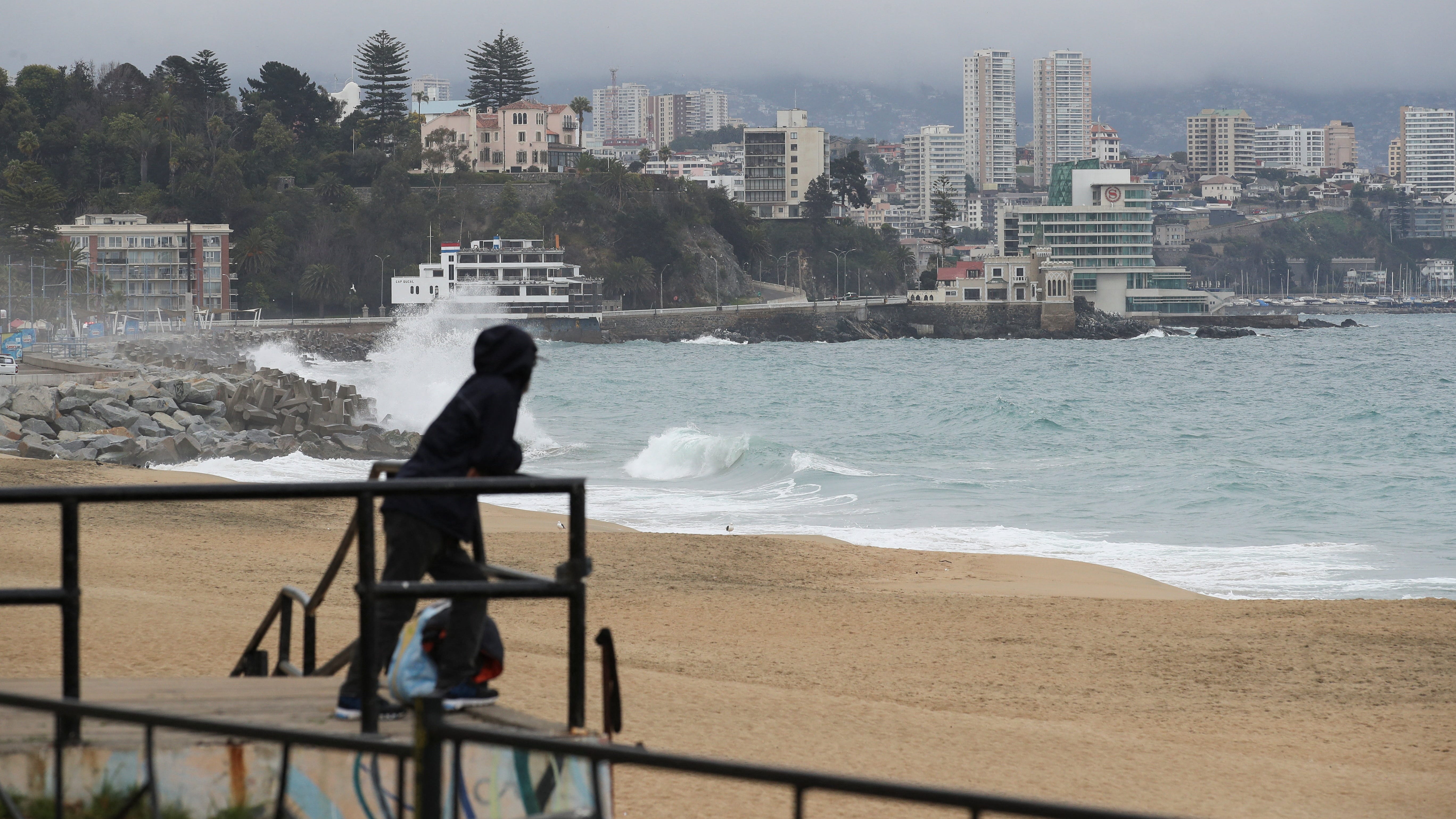
Giant waves can cause massive destruction wherever they strike. But what’s the difference between a normal wave and a powerful tsunami? Here’s what you need to know.
On December 8, a powerful 7.6 magnitude earthquake shook northern Japan, prompting a 10-foot-high tsunami warning and evacuation orders.
The earthquake occurred at 11:15 p.m. local time, and its epicenter was off the coast of Aomori Prefecture, located at the northern tip of Japan’s main island, Honshu.
Tsunami warnings have been issued for multiple prefectures in northern Japan, including Hokkaido, Aomori, and Iwate. According to Japan’s public broadcaster NHK, a tsunami advisory has been issued for Miyagi and Fukushima prefectures.
Prime Minister Sanae Takaichi said at a press conference that authorities were investigating the damage. Chief Cabinet Secretary Minoru Kihara told reporters that the strongest tremor was recorded in Hachinohe City, Aomori Prefecture.
NHK reported that multiple people were injured at a hotel in Aomori Prefecture. The broadcaster also reported that authorities were evaluating the nuclear power plant.
Japan is one of the most earthquake-prone countries on earth, as it is located on the Pacific Rim of Volcano, a region of volcanic arcs and ocean trenches that surrounds part of the Pacific Basin.
This story will be updated.
Contributed by: Reuters


