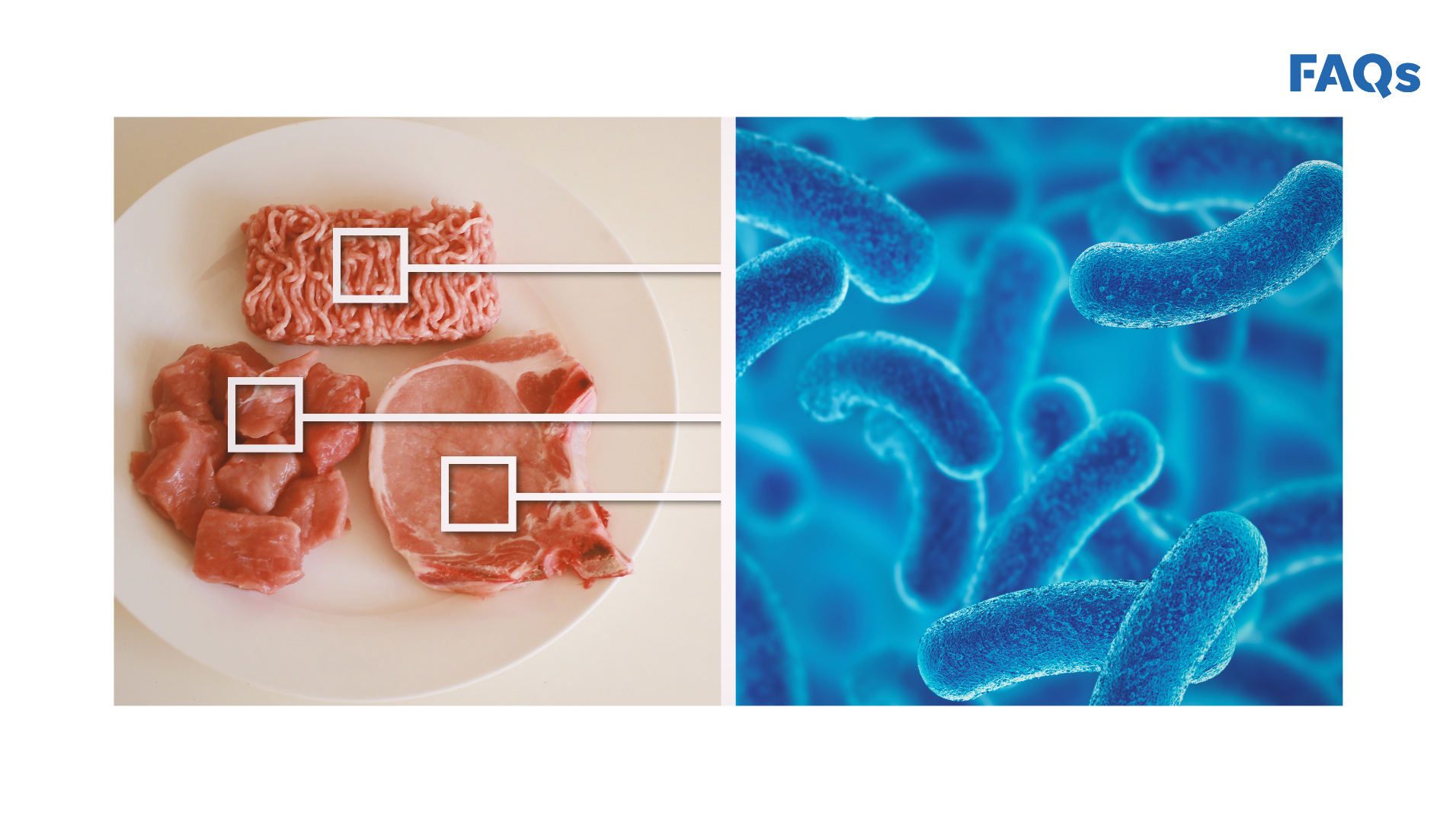

Why are food recalls increasing?
E. coli, metals and even dead bats have been found in the recalled foods. In fact, food recalls are on the rise. But it could actually be a good sign. Here’s why:
america today
The Food and Drug Administration (FDA) warned in a recently updated notice that more than 6 million eggs are being recalled due to possible Salmonella contamination.
Black Sheep Egg Company announced its first voluntary recall of hundreds of thousands of cartons of eggs on September 29 after FDA testing detected seven different strains of Salmonella in 40 samples taken from its processing center in Arkansas. On October 17, the FDA updated its advisory after Kent’s Hentz also announced a recall of its 12-pack egg cartons.
Because Black Sheep distributes eggs to both wholesalers and retailers, some eggs may have been rebranded by other companies with different packaging. The recalled items also include large shipments of eggs sold to third parties such as restaurants and retail stores.
According to the advisory, as of Oct. 17, no illnesses related to the Kents Henz recall have been reported.
Thousands of recalled eggs are still on store shelves and may be in your pantry. Here’s what you need to know:
Which eggs have been recalled?
- Black Sheep Egg Company Free Range Large Grade A Brown Eggs in Cartons of 12, Best Before Date August 22, 2025 – October 31, 2025 and UPC 860010568507.
- Black Sheep Egg Company Free Range Large Grade A Brown Eggs in Cartons of 18, Best Before Date August 22, 2025 – October 31, 2025 and UPC 860010568538.
- Kenz Henz 12-count carton of grade AA large pastured eggs, best before dates 10/11 – 10/14 and 10/16 – 10/17, UPC 86949400030. Available at retail stores in Houston, Texas.
Black Sheep Egg Company’s recalled products were also sold to retail stores and other wholesale companies in Arkansas, Missouri, Texas, California, and Indiana from July 9, 2025 to September 17, 2025, where they may have been repackaged. The FDA believes the eggs may have been distributed to more states and will update the recall list if additional potentially contaminated products are identified.
What to do if eggs are recalled
The FDA said consumers, restaurants and retailers should not eat, sell or serve the recalled eggs. Customers can return the eggs to the place of purchase for a refund or to dispose of them.
If you have unlabeled eggs in your refrigerator and aren’t sure if they’re part of the recall, throw them out.
Consumers, restaurants, and retailers who purchased or received recalled eggs should clean and disinfect all surfaces and containers they may have touched. Hands, equipment, and surfaces should be washed with hot, soapy water before and after handling raw eggs or foods containing raw eggs.
If you develop salmonella symptoms after eating eggs, contact your doctor.
Symptoms of salmonella poisoning
Symptoms of salmonella poisoning usually begin 6 hours to 6 days after swallowing the bacteria. According to the Centers for Disease Control and Prevention (CDC), the most common symptoms are diarrhea, fever, and abdominal pain.
Most healthy people recover in four to seven days without treatment, but some vulnerable people, such as children under 5, adults over 65, and people with weakened immune systems, can develop more severe symptoms that require treatment and hospitalization.
If you experience any of these more serious symptoms, the CDC recommends contacting your health care professional.
- Diarrhea and fever greater than 102 degrees Fahrenheit
- Diarrhea does not improve even if it continues for more than 3 days
- bloody diarrhea
- I’m vomiting so much that I can’t keep fluids down
- Signs of dehydration (such as not urinating much, dry mouth or throat, or feeling dizzy when standing up)


