
NOAA, FEMA cuts will impact hurricane season, experts warn
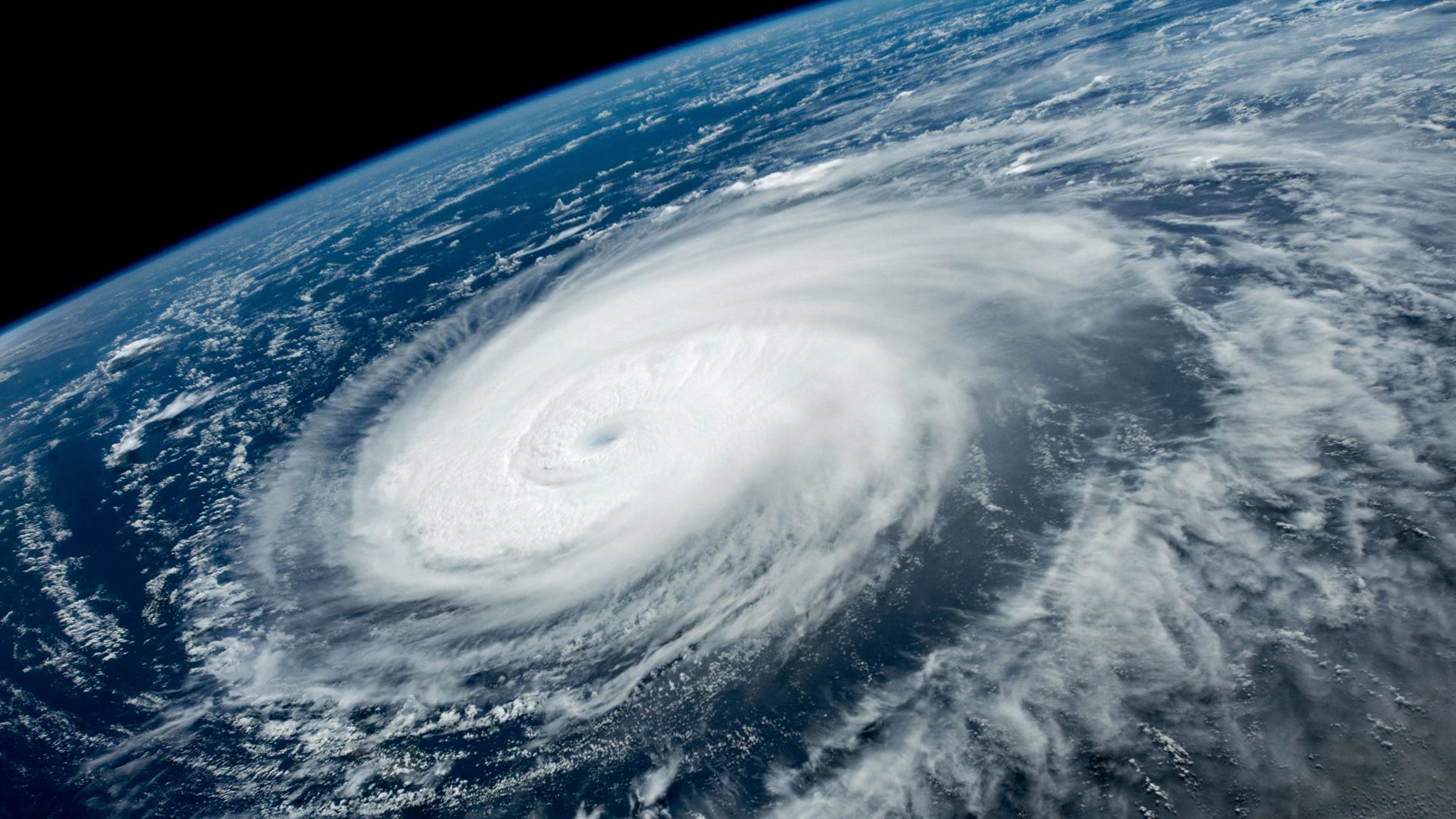
The Trump administration’s budget cuts to NOAA and FEMA will negatively impact the U.S. hurricane response, experts have warned.
This year’s extreme weather disasters have caused enormous damage, totaling more than the annual GDP of more than 100 countries and approaching the massive budget of New York City, the largest city in the United States.
Record losses for U.S. communities in the first half of this year were caused by January’s Palisades and Eaton fires, which ripped through the greater Los Angeles area, destroying thousands of homes and leaving a long road to recovery.
This conclusion is based on newly released data from former NOAA scientists and a nonprofit research group at Climate Central, documenting 14 extreme events from January to June 2025. Each of these events caused more than $1 billion in damage.
These weather events cost communities a total of $101.4 billion, highlighting the continuing devastating impact these disasters have on communities.
Normally, the federal government would track such weather disasters, but the Trump administration cut that program at the National Oceanic and Atmospheric Administration. In NOAA’s absence, NOAA scientist Adam Smith, who led the effort for more than a decade and was one of many federal employees to leave the agency, used the same NOAA techniques to revive the data at Climate Central.
While most of these multibillion-dollar disasters were tornadoes and severe storms, January’s Los Angeles fires caused $61.2 billion in damages, accounting for more than half of the estimated losses for the first half of this year. According to Climate Central, these wildfires were the deadliest wildfires on record, nearly double the previous record.
The Palisades and Eaton wildfires have burned more than 40,000 acres, damaged nearly 20,000 buildings and claimed at least 27 lives, according to a Los Angeles County Economic Development Corporation report.
In recent years, the number of weather events that cause billions of dollars in damage has increased. Scientists have documented how certain phenomena are becoming more common due to climate change, but another factor is that more people are living near coasts and forests that are already at risk from hurricanes, wildfires, and other disasters.
“But either way you look at it, the increase in damage is related to human activity,” Smith said.
data gap
NOAA data has been a popular tool for NOAA and has been critical in communicating the economic costs of natural disasters.
Before it was discontinued, it tracked more than 400 weather events since 1980 that cost nearly $3 trillion and killed more than 16,000 people.
The agency has been hit hard in recent months with staffing cuts of 18 to 20 percent, former officials estimate. In the aftermath, Climate Central continues to work.
“This is a continuation of this exact analysis,” Smith told USA TODAY. “We continue this valuable research using the same datasets, partners, and methodologies.”
This data is supported by more than a dozen datasets from the public and private sectors.
NOAA Public Affairs Director Kim Doster told USA TODAY in an emailed statement: “NOAA is grateful that its billion-dollar disaster product has found a funding mechanism other than the taxpayer dime.”
“NOAA will continue to prioritize sound, unbiased research over projects based on uncertainty and speculation, and refocus resources on products that comply with the President’s executive order to restore the gold standard in science,” Doster said.
Smith said the initial goal is to get the tool up and running and then focus on expanding the work to look at smaller and medium-sized events as well as events with over $1 billion in damages.
Daniel Swain, a climate scientist at the University of California’s College of Agriculture and Natural Resources, said it is widely underestimated how difficult it will be to estimate losses from the event, and the research NOAA is conducting is not easily replicable by others.
While he’s happy to have Climate Central fill the void, he worries that it was necessary in the first place.
“I think that’s commendable, and I wish more organizations would step up their efforts,” Swain said. “But I think the context behind it is that it’s very bad news that instead of the government doing the work, we have to ask private entities to do this.”
Check this tool to see if your home is at high risk for wildfires. You can also explore the entire map here.
Roger Pilke Jr., a political scientist and University of Colorado Boulder professor who has previously criticized NOAA’s multibillion-dollar disaster data, said the federal government should have a way to account for the costs of weather events.
“We should have the ability to understand the economics of disasters, and the fact that we don’t have that is astonishing,” Pirquet said, adding that the number of deaths from natural disasters is decreasing, citing that progress as an example of success.
Although the hurricane season has been milder than usual, Smith predicts 2025 will be in the top 10 costliest years. Complete data is expected to be available in early 2026.
“One extreme event can drastically change the landscape of a place for years,” Smith says. “Therefore, it is important to have this information available.”


