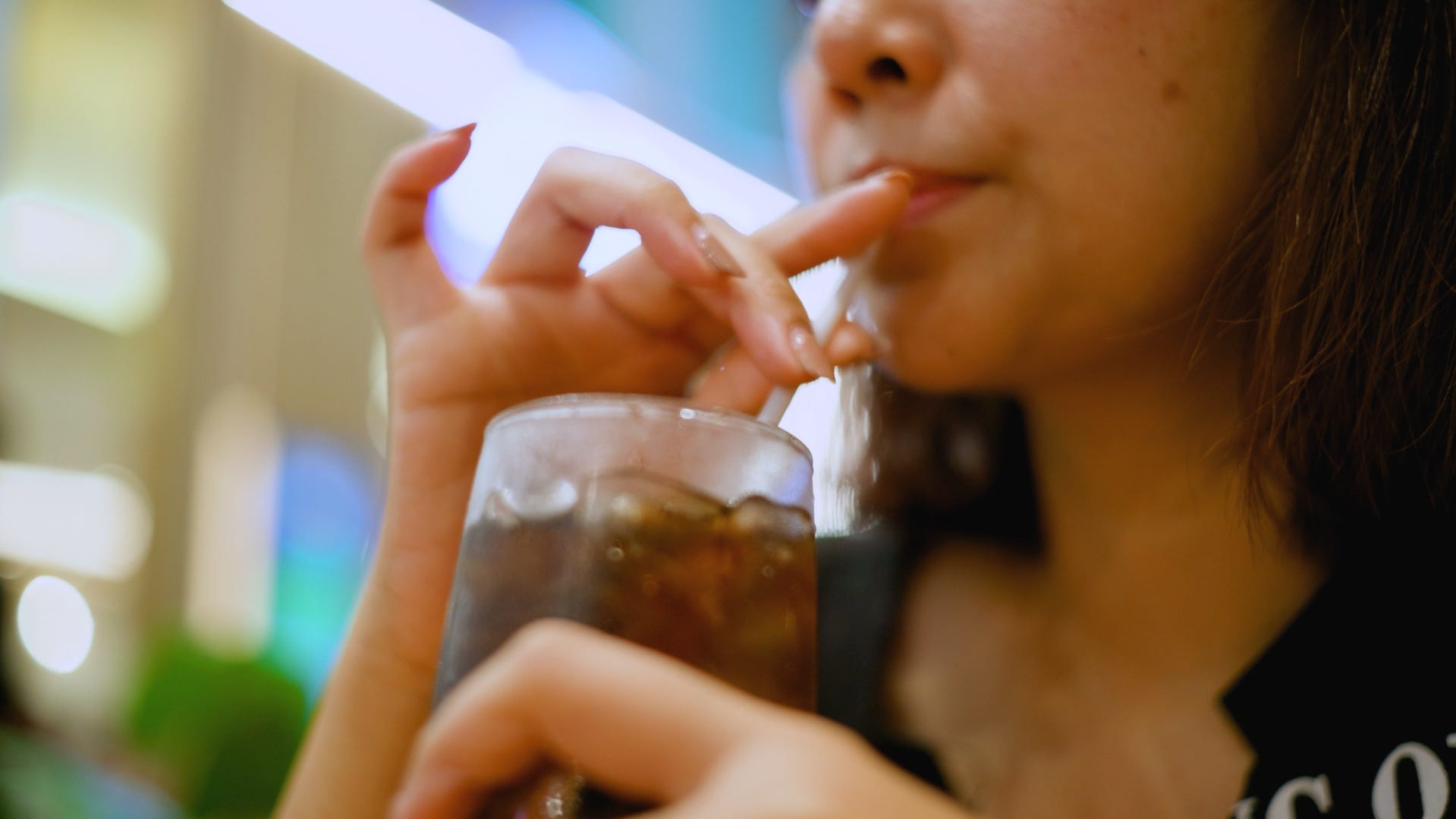

Sugary sodas and diet sodas increase risk of liver disease, new study finds
A new study finds that consuming just 9 ounces of sugary or diet soda each day increases your risk of liver disease.
You might want to skip that afternoon soda.
A new study finds that even moderate amounts of artificially sweetened and sugar-sweetened beverages are associated with an increased risk of liver disease.
Just 9 ounces of sugary drinks a day can increase your risk of metabolic dysfunction-associated fatty liver disease (MASLD) by 50%, and the same amount of diet soda can increase your risk by 60%, according to a new study presented Oct. 6 at the 2025 European Union Gastroenterology Week Conference in Berlin, Germany. A standard soda can is 12 ounces.
MASLD, officially known as nonalcoholic fatty liver disease (NAFLD), is a condition in which fat accumulates in the liver and is the most common liver disease worldwide. This damage can lead to severe liver scarring or cirrhosis, similar to the effects of heavy alcohol use.
“Our study shows that even at a modest intake of one can per day, LNSSB is indeed associated with a higher risk of MASLD,” said study lead author Lihe Liu, a graduate student in the Department of Gastroenterology, First Affiliated Hospital of Soochow University, China.
Sugary drinks are under strict scrutiny
News about the health risks of soda is not new. The fizzing bubbles in your favorite drink are caused by carbon dioxide gas. Carbon dioxide, along with many other components in soda, is a compound that affects your stomach more than some people realize. Additionally, added sugars, such as cane sugar and high fructose corn syrup, can have negative health effects.
“The human body processes fructose similarly, but fructose is primarily metabolized in the liver. Too much fructose, especially from sugary drinks and other concentrates, promotes fat accumulation in the liver and is a major cause of nonalcoholic fatty liver disease,” Dr. Wesley McWhorter, a spokesperson for the Academy of Nutrition and Dietetics, previously told USA TODAY.
As attention turns to what’s in Americans’ diets, new insights about soda are emerging. Secretary of Health Robert F. Kennedy Jr. is leading the Trump administration’s push to eliminate certain food ingredients, such as artificial colors. Thanks to the administration’s efforts, Coca-Cola agreed in July to use cane sugar in U.S.-made sodas.
Still, our diet choices may give the impression that we’re avoiding the bad stuff. But science says otherwise.
“[Sugar-sweetened beverages]have long been in the spotlight, and their ‘diet’ alternatives are often seen as healthier options. However, both are widely consumed and their effects on liver health are not well understood,” Liu said in a statement.
Perhaps the best thing to do is to reach for a glass of water when you feel thirsty. And if you must satisfy your Diet Coke craving, do it in moderation.
Contributor: Darryl Austin, Mary Walrus-Holdridge


